Gate to Plate Tour Brings ASU and Maricopa County Department of Public Health Dietetic Interns to the Ranch
Tiffany Selchow | October 6, 2026

Dietetic interns from Arizona State University and the Maricopa County Department of Public Health traded the classroom for a working ranch on September 10, 2026, when the Arizona Beef Council hosted a Gate to Plate tour. 16 interns spent the day following the beef lifecycle from the ranch gate to the dinner plate. Dietetic interns are students completing supervised practice to become registered dietitians, and they will go on to serve clients in clinical settings, sports nutrition, community health, and private practice.
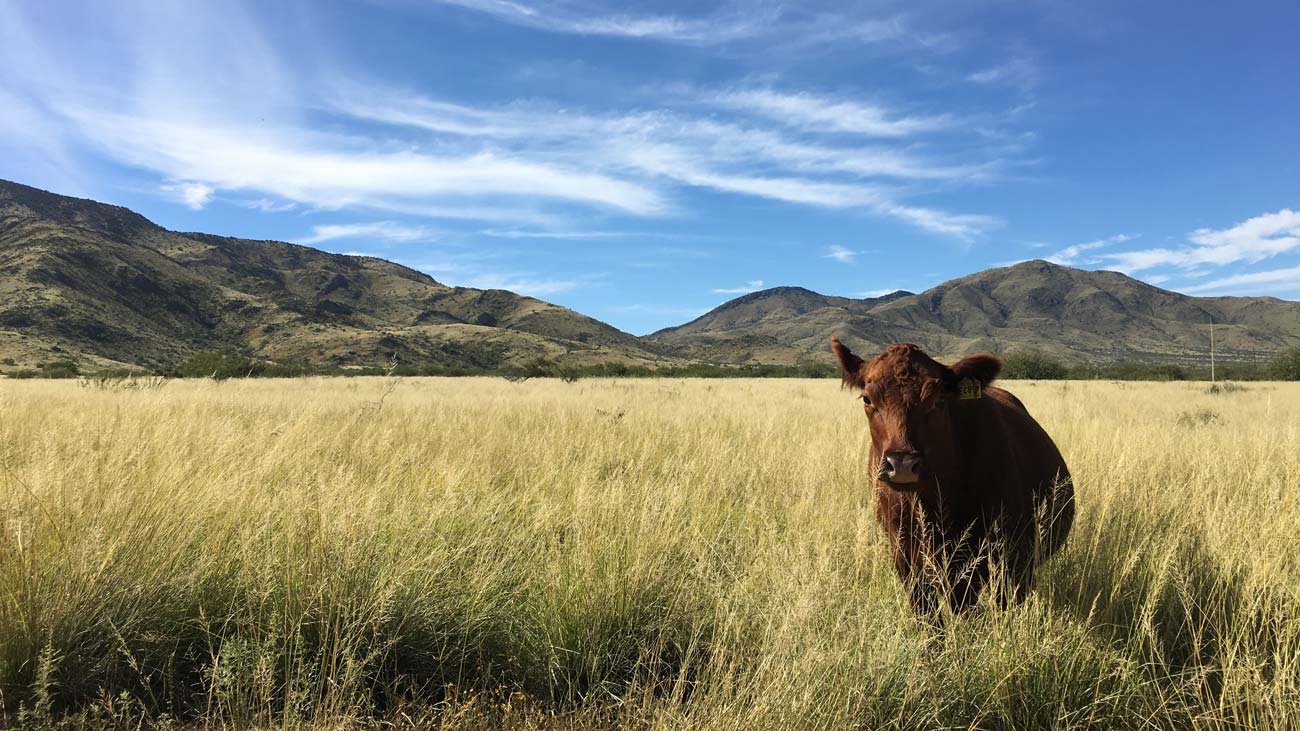
The tour began at the Quarter Circle U Ranch owned by Mike and Amy Doyle. Mike and Jordan Selchow, ranch manager, led the group through the history of the land and how cattle are raised at each stage of life. They explained how genetics and breeding records guide decisions for the herd, how artificial insemination is used, and how much room cattle have to roam. One intern shared, "I found the science/genetics to breed better over time so fascinating! It was cool to be able to see the spreadsheets!" Another said, "I had no idea about how much space is reserved for cattle to roam! I have always wondered what the open pastures were for when going on road trips and encountering them."
Care for the cattle left a mark as well. When asked what stood out, one intern pointed to how much effort goes into keeping cattle low stress and added, "I had a much different perception before this!"
After the ranch, the group returned to the University of Arizona Cooperative Extension office in Maricopa County, where Kori Dover, a registered dietitian on staff with the California Beef Council, presented on beef and nutrition. Interns said they left with new talking points for their clients, including the range of nutrients found in a 3-ounce serving of beef, research on lean beef in Mediterranean-style eating patterns, and the difference between terms that describe how cattle were raised or how beef is graded and terms used mainly for marketing.
Interns completed a survey before the tour and another afterward so the Arizona Beef Council could see how the experience shifted their perceptions. Before the tour, 19% of respondents completely agreed that beef has an ideal balance of good taste and good nutrition. After the tour, 73% did. Those who completely agreed that beef has an excellent total package of nutrients rose from 25% to 73%, and those who completely agreed that beef can be an economical protein choice rose from 6% to 55%. Recommendations moved as well. Before the tour, 31% of respondents said they would recommend eating beef less often than other proteins like chicken, fish, or plant-based options. After the tour, that dropped to 18%, and 82% said they would recommend eating beef as often as other protein sources.
Registered dietitians are trusted voices on food and health, and the Arizona Beef Council is proud to support their continued learning by hosting Gate to Plate tours each year, with grant funds and support from the Iowa Beef Industry Council (IBIC). Thank you to Mike and Amy Doyle, Jordan Selchow, and Kori Dover for helping these future dietitians see beef from the ranch to the plate.
###
About the Arizona Beef Council
The Arizona Beef Council is a non-profit organization served by a nine-member board of directors representing cattle growers, cattle feeders, and dairy farmers, and are appointed by the Governor of Arizona. These volunteers oversee the Beef Checkoff and Checkoff-funded programs.
About the Iowa Beef Industry Council
The Iowa Beef Industry Council is funded by the $1-per-head national Beef Checkoff Program and the $0.50-per-head Iowa State Beef Checkoff. Checkoff dollars are invested in beef promotion, consumer information, research, industry information and foreign market development, all with the purpose of strengthening beef demand. For more information, visit iabeef.org.
About the Beef Checkoff Program
The Beef Checkoff Program was established as part of the 1985 Farm Bill. The checkoff assesses $1 per head on the sale of live domestic and imported cattle, in addition to a comparable assessment on imported beef and beef products. States may retain up to 50 cents on the dollar and forward the other 50 cents per head to the Cattlemen’s Beef Promotion and Research Board, which administers the national checkoff program, subject to USDA Approval. For more information, visit BeefBoard.org.